
Cannabis Labels Don’t Need to Be Intimidating
You’re standing in a dispensary, product in hand, staring at a label that feels more like a chemistry exam than something meant to help you choose weed. THC percentages, strain names, terpene lists, symbols you’ve never seen before—it’s a lot. If you’ve ever wondered how to read a cannabis label without feeling overwhelmed, you’re not alone.
Cannabis labels are packed with information, but that doesn’t mean you need to understand every line to make a good choice. Most of the confusion comes from trying to read everything at once instead of knowing what actually matters.
The goal here isn’t to turn you into a cannabis expert overnight. It’s to help you learn how to scan a label, pick out the valuable parts, and ignore the rest—so you can choose with confidence, without spiraling or overthinking every number on the package.
What a Cannabis Label Is (and Isn’t)
A cannabis label is meant to give you the basics—what’s inside the product, how strong it is, and how it’s meant to be used. It’s there for transparency and safety, not to overwhelm you. Once you understand that, learning how to read a cannabis label becomes a lot less intimidating.
What a label isn’t is a promise of exactly how you’ll feel. Two products with similar THC percentages can still hit very differently depending on strain, terpenes, and your own tolerance. That’s why labels work best as a starting point, not a guarantee.
It’s also worth knowing that regulations shape cannabis labels. Required warnings, symbols, and testing info often take up a lot of space, which can make packaging feel cluttered or confusing. That doesn’t mean all of it needs your attention. Most of the time, you only need a few key details to make a solid choice.
Think of the label as a quick-reference guide. It helps you compare products, understand potency, and avoid surprises—but it doesn’t need to be read like a rulebook. Once you know what to look for, the rest fades into the background.
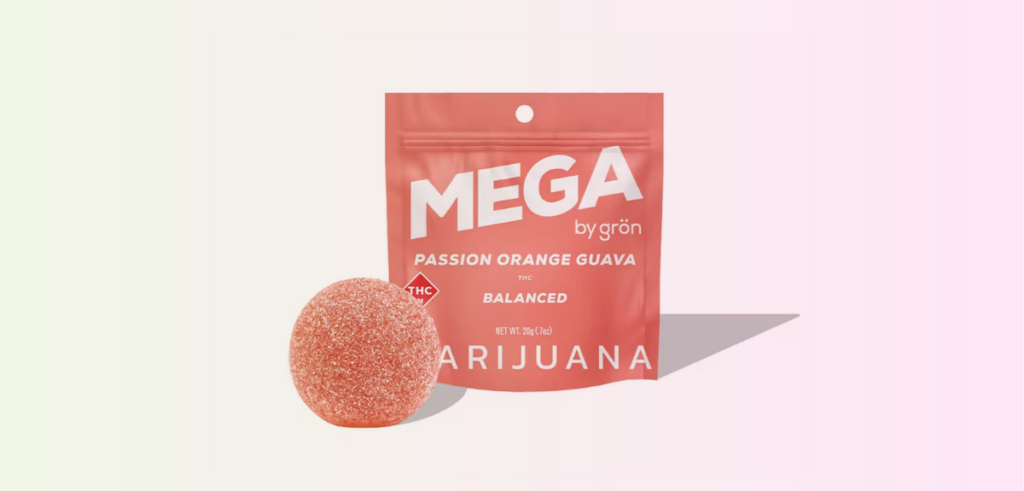
THC & CBD Percentages: What Actually Matters
THC
THC percentage tells you how much THC is in the product by weight—not how intense it will feel. This is one of the most misunderstood parts of understanding THC percentages on a cannabis label. A higher number doesn’t automatically mean a stronger or better experience.
In general, lower THC tends to feel more manageable, mid-range THC works for most regular consumers, and higher THC is usually better for people who already know their tolerance. Use these ranges as context, not a challenge. Chasing the highest number often leads to overdoing it.
CBD
CBD doesn’t create a high, but it can influence how balanced or mellow a product feels. That’s why it’s commonly paired with THC on cannabis labels.
Looking at CBD vs THC on labels helps you understand the overall effect. Products with both THC and CBD often feel less sharp or overwhelming than THC-only options. When CBD is present, the experience can feel more grounded—especially for newer consumers or anyone sensitive to THC.
The key is to read THC and CBD together, not in isolation. Those numbers work best as a pair, helping you choose intentionally rather than guessing based on a single percentage.
Strain Names: Helpful, But Not the Whole Story
Indica, Sativa, and Hybrid—What Those Labels Mean
When learning how to read a cannabis label, strain categories are often the first thing people recognize. Indica, sativa, and hybrid are meant to give you a general idea of how a product might feel. Indica is often associated with more relaxing effects, sativa with more uplifting effects, and hybrids with effects somewhere in between.
Why These Labels Aren’t Rules
Here’s where it gets tricky: those labels aren’t guarantees. Two products labeled “indica” can feel completely different depending on THC levels, terpene profiles, and how your body responds. That’s why strain names should be treated as guidelines, not promises.
How to Actually Use Strain Names
Think of strain names as a starting point, not the final answer. If you’ve liked certain strains in the past, labels can help you spot patterns. But when choosing between products, strain type works best alongside THC percentages and terpene information—not on its own. Once you understand that, cannabis labels start to feel a lot less confusing.
Terpenes: The Part Most People Skip (But Shouldn’t)
What Are Terpenes?
Terpenes are aromatic compounds found in cannabis (and lots of other plants) that affect how a product smells, tastes, and feels. When people talk about terpene content, this is what they mean. Terpenes don’t get you high, but they can shape the overall experience in noticeable ways.
Why Terpenes Matter
Two products with the same THC percentage can feel very different because of their terpene profiles. Some terpenes tend to feel more relaxing, others more uplifting or clear-headed. That’s why terpenes often explain why a product felt good—or why it didn’t—more than the strain name alone.
How to Read Terpene Info Without Memorizing Anything
You don’t need to know every terpene to use this information. When reading a cannabis label, look for the top one or two terpenes listed. Over time, you may notice patterns in what you enjoy. Using terpene labels this way helps you choose more confidently without turning the label into homework.
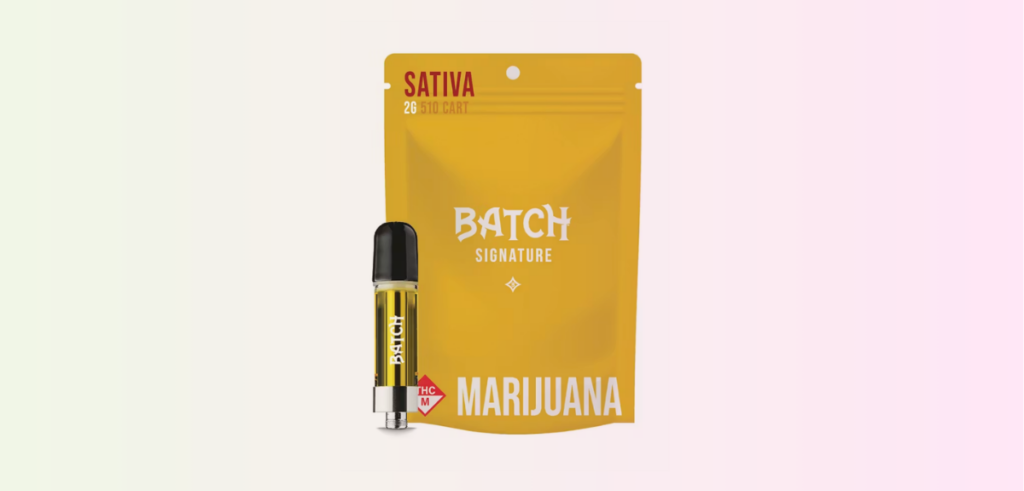
Serving Size, Dosage & Milligrams
Percent vs. Milligrams
One of the biggest shifts when learning how to read a cannabis label is understanding the difference between percentages and milligrams. Flower and pre-rolls usually list THC as a percentage. Edibles, drinks, and topicals list THC and CBD in milligrams (mg). These numbers aren’t interchangeable—they’re just measuring different things.
Per Serving vs. Per Package
Serving vs. package size is where many people get tripped up. A cannabis dosage label will often show milligrams per serving and milligrams per package. If an edible says 100 mg total but 10 mg per serving, that means the package is meant to be split into multiple doses. Always check the serving size before assuming how strong something will feel.
Why Dosage Matters More Than You Think
Milligrams are about control. Knowing how much THC or CBD you’re taking makes it easier to repeat experiences you liked—or avoid ones you didn’t. Start low, see how it feels, and adjust from there. Once you understand dosage, reading cannabis labels becomes far less intimidating and a lot more useful.
What You Can Safely Ignore on a Cannabis Label
Marketing Buzzwords
When learning how to read a cannabis label, it helps to know what not to stress over. Words like “premium,” “exotic,” or “top-shelf” are marketing terms, not measurements. They don’t tell you anything specific about potency, effects, or quality.
Over-the-Top Strain Descriptions
Flowery descriptions about “cosmic calm” or “laser focus” sound nice, but they’re subjective. Everyone’s body reacts differently, so these descriptions shouldn’t outweigh the actual label details, such as THC, CBD, or terpene information.
Fonts, Colors, and Design Choices
Bright colors, bold fonts, and sleek packaging are meant to catch your eye—not guide your decision. Visual design doesn’t reflect how a product will feel, so it’s okay to ignore aesthetics once you’re reading the label itself.
You Don’t Need to Understand Everything
The biggest relief? You don’t need to decode every line to make a good choice. Focus on a few key details that matter to you and let the rest go. Once you stop trying to understand everything, reading a cannabis label becomes a lot less overwhelming—and a lot more useful.
How to Use Labels to Choose Cannabis That Fits You
Match the Label to Your Goal
Once you know how to read a cannabis label, choosing gets easier when you start with your goal. Are you trying to relax, sleep, stay focused, or feel more social? THC and CBD percentages, terpene info, and strain type can all point you in the right direction. You don’t need the “perfect” product—just one that aligns with what you want in that moment.
Look for Patterns
One of the best ways to learn how to choose weed is by paying attention to what you’ve liked before. Did a specific THC range feel good? Did products with similar terpenes stand out? Labels make it easier to spot patterns, so you’re not starting from scratch every time.
Use Labels to Repeat Good Experiences
When something works, the label becomes your reference point. You can look for similar percentages, terpene profiles, or strain categories next time. That’s especially helpful for cannabis beginners, who are still figuring out what feels right.
Informed Choosing Beats Overthinking
There’s a difference between reading a label and overanalyzing it. Use the information to guide you, not stress you out. When you focus on a few key details and trust your past experiences, labels stop feeling overwhelming and start doing what they’re meant to do—help you choose with confidence.

Final Thoughts: Reading Cannabis Labels Gets Easier
Cannabis labels are there to help—not overwhelm you. You don’t need to understand every terpene or memorize every number to make a good choice. Focusing on a few key details, like THC and CBD levels or a terpene or two you recognize, is usually more than enough. Confidence comes from practice, not perfection.
The more you use labels, the easier they get. You start to notice patterns in what you enjoy and what you don’t, and labels become a shortcut instead of a hurdle. That’s when choosing cannabis stops feeling like guesswork and starts feeling intentional.
And if you want extra help narrowing things down, Stairway Cannabis makes it easier to shop smarter. With menu filters and tools like Terpli, you can explore products by effects, cannabinoid levels, and terpene profiles before you even walk in. Pair that with a quick chat with a budtender, and you’ve got everything you need to choose confidently—no overthinking required.
Key Takeaways
- Cannabis Labels Are Tools, Not Tests. You only need a few key details—like THC, CBD, and terpene info—to make a solid choice. Everything else is optional context.
- The More You Use Labels, the Easier They Get. Noticing patterns in what you enjoy helps you choose with confidence instead of second-guessing every number.
- Stairway Cannabis Helps Simplify the Process: With menu filters and tools like Terpli, Stairway makes it easier to compare products and shop with clarity.