
Cannabis is a plant, simple, natural, and rooted in the earth. But the way it’s grown today? Not always so green. Large-scale indoor farms can burn serious energy, guzzle water, and create piles of plastic waste. As the industry continues to expand, eco-friendly cannabis is becoming more than a buzzword—it’s a real push toward sustainability that’s reshaping how weed is grown, packaged, and enjoyed.
The shift toward a sustainable cannabis industry is all about finding balance between innovation and preservation, quality and care. From renewable energy to compostable packaging, the focus is on reducing the cannabis industry’s carbon footprint without losing what makes the plant so special.
Because if cannabis is all about the benefits of THC, like balance and connection, it only makes sense to grow it that way, too.
Why Cannabis Isn’t Always as Green as It Looks
The truth is, not all weed is grown equally. As the industry exploded, the shift from small outdoor, craft cannabis grows to massive indoor operations brought new sustainability challenges. Those bright lights, constant temperature control, and high-powered ventilation systems might keep yields steady—but they also use a ton of energy.
The environmental impact of cannabis goes far beyond what most people picture. Indoor cultivation can rack up electricity use that rivals some manufacturing facilities, while excessive water use and nutrient runoff put pressure on local ecosystems. Even packaging plays a part—plastic jars, foil seals, and mylar bags often end up in landfills after a single use.
That’s why sustainable cannabis cultivation has become a key part of the conversation. As legalization continues to expand, the push for eco-friendly cannabis is about more than just growing—it’s about accountability. The goal? An industry that supports both high-quality flower and a healthier planet.
Indoor vs. Outdoor: What’s More Sustainable?
Not all grows are built the same, and where cannabis is cultivated can make a massive difference for the planet. Indoor operations are known for precision and consistency. Growers can control every variable—light, humidity, temperature, and nutrients—to fine-tune potency and terpene expression. The downside? That control comes at a serious cost in energy use.
Outdoor or “sungrown” operations take the opposite approach. They rely on natural light, soil, and weather to bring out the plant’s character while reducing electricity use. The environmental impact of cannabis drops dramatically when the sun does most of the heavy lifting. You also get more variation between harvests, which isn’t a bad thing—it’s part of what makes sungrown weed unique.
Then there’s the middle ground: greenhouse grows, which blends natural sunlight with supplemental lighting and climate systems to balance quality and sustainability. For many cultivators in the green cannabis industry, this hybrid approach is the sweet spot—lower emissions, less energy use, and a smaller overall carbon footprint for cannabis.
At the end of the day, no method is perfect. But as more growers invest in renewable energy and efficient design, eco-friendly cannabis is proving that good weed and green practices can thrive together.
The Energy Question: Powering a Greener Grow
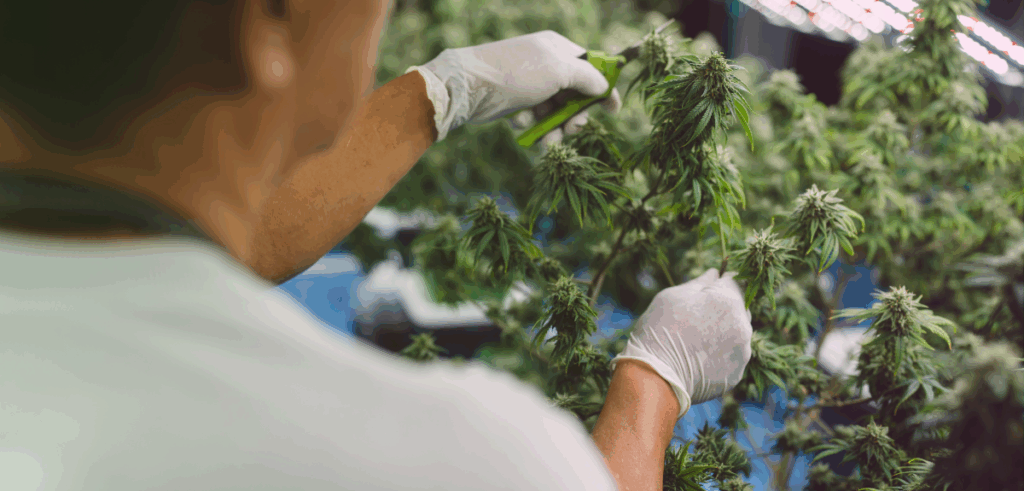
Energy use is one of the biggest challenges in cannabis cultivation. Indoor grows rely on powerful lighting, ventilation, and temperature control systems that run around the clock. It keeps plants healthy and yields high—but it also sends power bills (and carbon emissions) through the roof.
Studies show that the carbon footprint of cannabis can be massive, especially when operations rely on traditional energy sources. Some states estimate that cannabis cultivation makes up as much as 4% of their total electricity use. That’s a lot of watts just to keep the lights on.
Luckily, change is already happening. The sustainable cannabis industry is turning to renewable energy and smart technology to reduce its impact. Solar panels, LED lighting, and geothermal systems are replacing older, energy-hungry setups. Some growers are even using data-driven climate control to optimize airflow and temperature—getting the same results with way less waste.
True eco-friendly cannabis doesn’t just come from the soil; it comes from smarter systems. The shift toward clean energy shows that sustainability and quality can grow side by side.
Water, Soil, and Waste: The Real Environmental Impact of Cannabis
Water is the lifeblood of cannabis cultivation and one of its biggest sustainability challenges. Large-scale grows can drain local supplies fast, especially in regions already struggling with drought. Overwatering and fertilizer runoff can also pollute nearby streams and soil. The environmental impact of cannabis goes beyond energy use—it’s about protecting the resources the plant depends on.
That’s why more growers are leaning into sustainable cannabis cultivation methods. Drip irrigation, rainwater capture, and closed-loop watering systems help conserve resources while keeping plants healthy. Regenerative farming is also on the rise, using compost, cover crops, and living soil to restore nutrients naturally instead of relying on synthetic fertilizers.
Waste is another piece of the puzzle. Trimming leftovers, used soil, and packaging all add up. Conscious cultivators are finding creative ways to reuse organic material and recycle non-organic waste wherever possible. Every step toward cleaner soil, smarter water use, and better waste management advances the eco-friendly cannabis movement.
Because in the end, sustainability isn’t just about the final product, it’s about how responsibly it’s grown from seed to harvest.
The Packaging Problem: Reducing Cannabis Waste
Even the greenest weed can come wrapped in a whole lot of plastic. Between state regulations, child-proof containers, and branding, most cannabis packaging ends up bulky, wasteful, and single-use. It’s one of the biggest sustainability headaches for the industry—and one that conscious consumers are starting to notice.
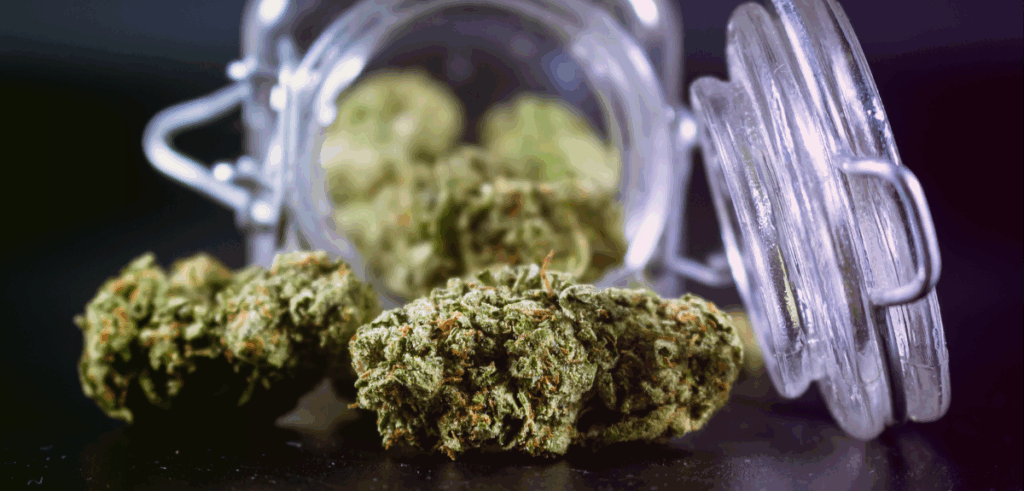
The environmental impact of cannabis doesn’t stop at cultivation. Millions of jars, pouches, and tubes hit landfills every year, and many of them could’ve been recycled or reused. That’s why more brands are turning to sustainable cannabis packaging made from glass, metal, or compostable materials. Some are even experimenting with refill programs or biodegradable plastics that actually break down instead of sticking around forever.
If the goal is to make weed more sustainable, packaging is one of the easiest places to start. After all, the product inside should feel good, and so should how it’s made.
The Industry’s Green Movement
The cannabis world is catching on fast. What started as a few mindful growers has turned into a full-blown movement toward sustainability. From cultivation to retail, the green cannabis industry is finding more innovative, cleaner ways to grow and share the plant.
More cultivators are investing in renewable energy, water recycling, and regenerative soil practices. Others are reducing their cannabis carbon footprint by sourcing locally, reusing materials, and working with suppliers who share the same values. Across the board, transparency is becoming the standard—brands are showing not just what they grow, but how.
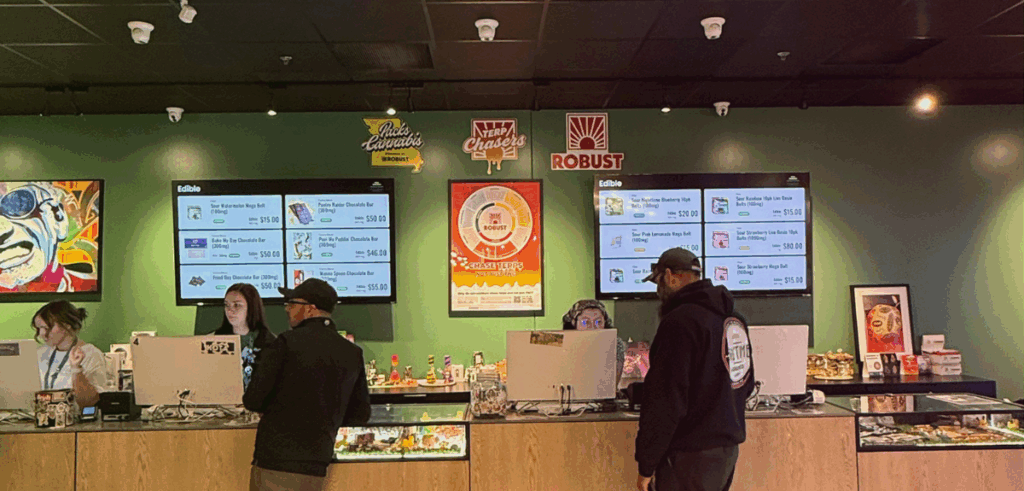
Dispensaries are playing their part, too. It’s not just about selling weed—it’s about building a culture that values balance, respect for the planet, and community connection.
As more companies commit to sustainable cannabis cultivation, the industry moves closer to what it was always meant to be: something that uplifts people and the planet.
How Consumers Can Go Greener
Sustainability doesn’t stop at the grow—it extends all the way to how we shop, too. The rise of conscious cannabis consumers is pushing the industry to do better, one purchase at a time. And the best part? Making eco-friendly choices doesn’t have to be complicated.
Start by shopping local. Buying from nearby dispensaries helps reduce transportation emissions and supports your community’s growers. Look for products labeled as eco-friendly cannabis or sustainably grown, and don’t be afraid to ask your budtender where a strain comes from or how it’s produced.
Packaging matters, too. Reuse glass jars when you can, or choose brands that use sustainable cannabis packaging made from recycled or compostable materials. If recycling isn’t available at your dispensary, you can always clean and repurpose containers at home, or check local recycling guidelines to see what’s accepted. Even small efforts to reduce waste help make a difference over time.
The future of sustainable cannabis cultivation depends as much on consumers as it does on growers. Every time you choose a greener product, you’re supporting the kind of industry you want to see thrive.
Growing Toward a Sustainable Future
The shift toward eco-friendly cannabis isn’t just a trend—it’s the next evolution of the industry. From renewable energy to recycled packaging and regenerative farming, sustainability is shaping how the plant is cultivated, sold, and enjoyed. It’s proof that progress and preservation can grow together.
As the sustainable cannabis industry continues to expand, every choice matters. When growers invest in clean energy, when dispensaries back local farms, and when consumers shop consciously, the impact adds up. The result? A cleaner, greener future for cannabis—and for everyone who loves it.
If you’re curious about how sustainability shows up in your favorite products, take a closer look next time you shop. Stairway’s menu often highlights local growers and products that use more conscious packaging, and your budtenders can point you toward eco-friendly cannabis brands making an effort to go greener. Small choices—like supporting sustainable cultivation or low-waste packaging—add up to a big difference for the planet.
Because good weed doesn’t just feel good—it should do some good, too.
Key Takeaways
- The Cannabis Industry Is Going Green: From renewable energy to recycled packaging, eco-friendly cannabis is shaping the future of cultivation and setting new sustainability standards.
- Sustainability Starts from the Ground Up: Practices like water conservation, living soil, and sustainable cannabis cultivation reduce the environmental impact of cannabis while producing cleaner, higher-quality flower.
- Conscious Consumers Drive Real Change: Choosing local, low-waste, or eco-friendly cannabis products supports a greener industry—proving that every purchase can help the planet and the plant thrive together.